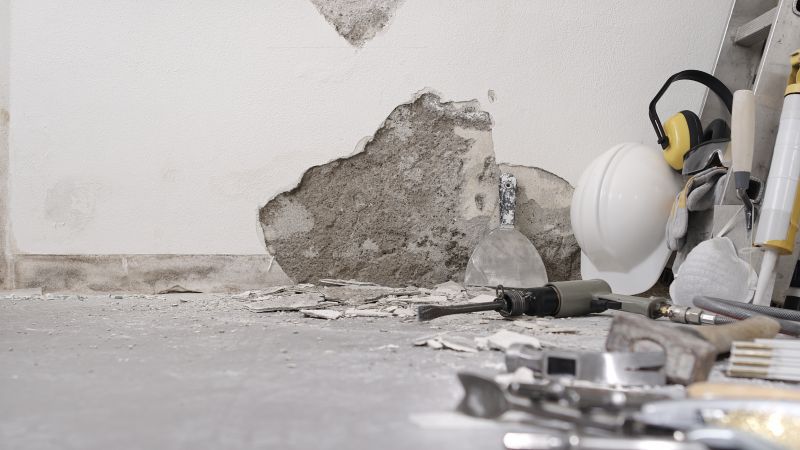
Kitchen Wall Demolition in Bergen County, NJ
Kitchen wall demolition services involve removing existing walls to create open-concept layouts, update kitchen designs, or prepare for new installations. This process typically includes carefully taking down non-load-bearing walls, removing old drywall, and clearing debris to make way for renovations or remodeling projects. Property owners often request this service when aiming to improve natural light, enhance space flow, or modernize their kitchens, especially during major home upgrades or expansions.
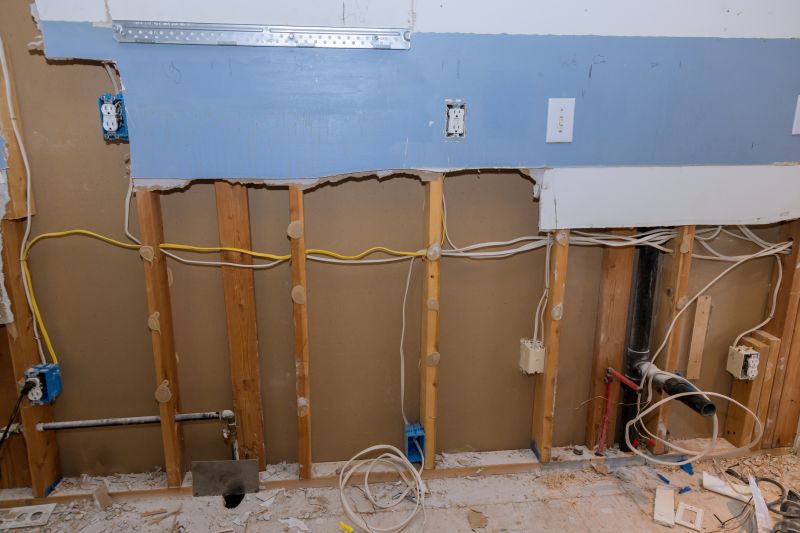
Before requesting kitchen wall demolition, homeowners should understand whether the wall is load-bearing, as this impacts the scope and complexity of the work. It’s also important to consider the presence of electrical wiring, plumbing, or HVAC components within the wall that may need rerouting or special handling. Proper planning and coordination can help ensure the demolition proceeds smoothly and safely, supporting successful kitchen updates and functional improvements.
Many property owners in Bergen County, NJ look into Kitchen Wall Demolition for repairs, replacements, upgrades, and appearance-related improvements.
Kitchen Wall Removal Options
Removing non-load-bearing walls can open up your kitchen space for better flow and design.

Preparation And Safety Considerations
Proper preparation ensures a safe demolition process and minimizes disruption to your home.

Post-Demolition Finishing Steps
Restoring walls and flooring after demolition helps create a seamless transition for your kitchen upgrade.
Kitchen Wall Demolition in Bergen County, NJ

Kitchen wall demolition services involve removing existing walls to create open-concept layouts, update kitchen designs, or prepare for new installations. This process typically includes carefully taking down non-load-bearing walls, removing old drywall, and clearing debris to make way for renovations or remodeling projects. Property owners often request this service when aiming to improve natural light, enhance space flow, or modernize their kitchens, especially during major home upgrades or expansions.
Before requesting kitchen wall demolition, homeowners should understand whether the wall is load-bearing, as this impacts the scope and complexity of the work. It’s also important to consider the presence of electrical wiring, plumbing, or HVAC components within the wall that may need rerouting or special handling. Proper planning and coordination can help ensure the demolition proceeds smoothly and safely, supporting successful kitchen updates and functional improvements.
Many property owners in Bergen County, NJ look into Kitchen Wall Demolition for repairs, replacements, upgrades, and appearance-related improvements.
Common Kitchen Wall Demolition Jobs
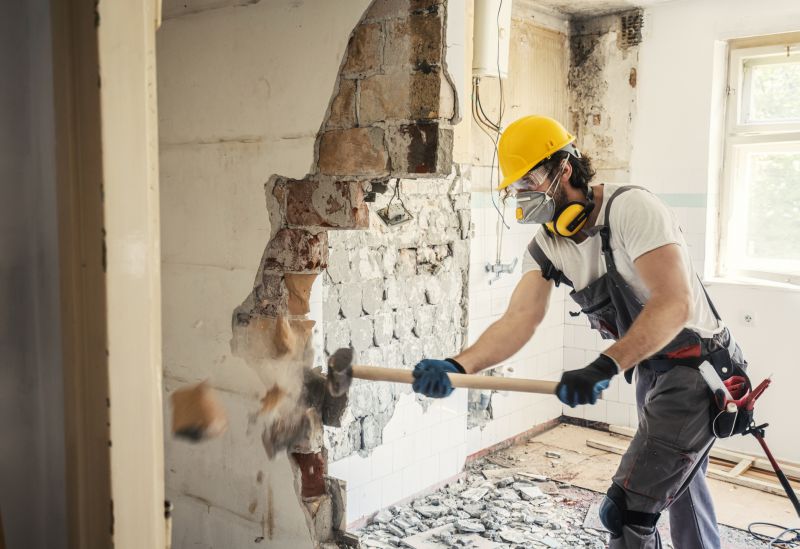
Kitchen wall demolition involves removing non-load-bearing walls to create open-concept layouts.
Interior wall removal helps to improve flow and increase natural light in kitchens.
Partial wall demolition allows for targeted removal while maintaining structural stability.
Cabinet and backsplash removal prepares the space for renovation or redesign projects.
Drywall and framing demolition clears the way for new kitchen configurations and upgrades.
Structural wall removal requires careful planning to ensure safety and proper support.


Kitchen Wall Demolition Questions
What types of kitchen walls can be demolished? Interior non-load-bearing walls and partial wall sections are commonly removed during kitchen renovations.
Is wall demolition safe for my home? Proper assessment ensures that only suitable walls are removed to avoid structural issues or damage to utilities.
What should be considered before demolishing a kitchen wall? It's important to identify load-bearing walls and plan for rerouting electrical or plumbing systems if necessary.
How does wall demolition affect kitchen remodeling projects? Removing walls can open up space and improve flow, making it a popular step in modern kitchen upgrades.
Request Kitchen Wall Demolition in Bergen County, NJ
Use the quote form on this page to share the basics of your project and request more information for the type of work you need.